LUFS Explained!
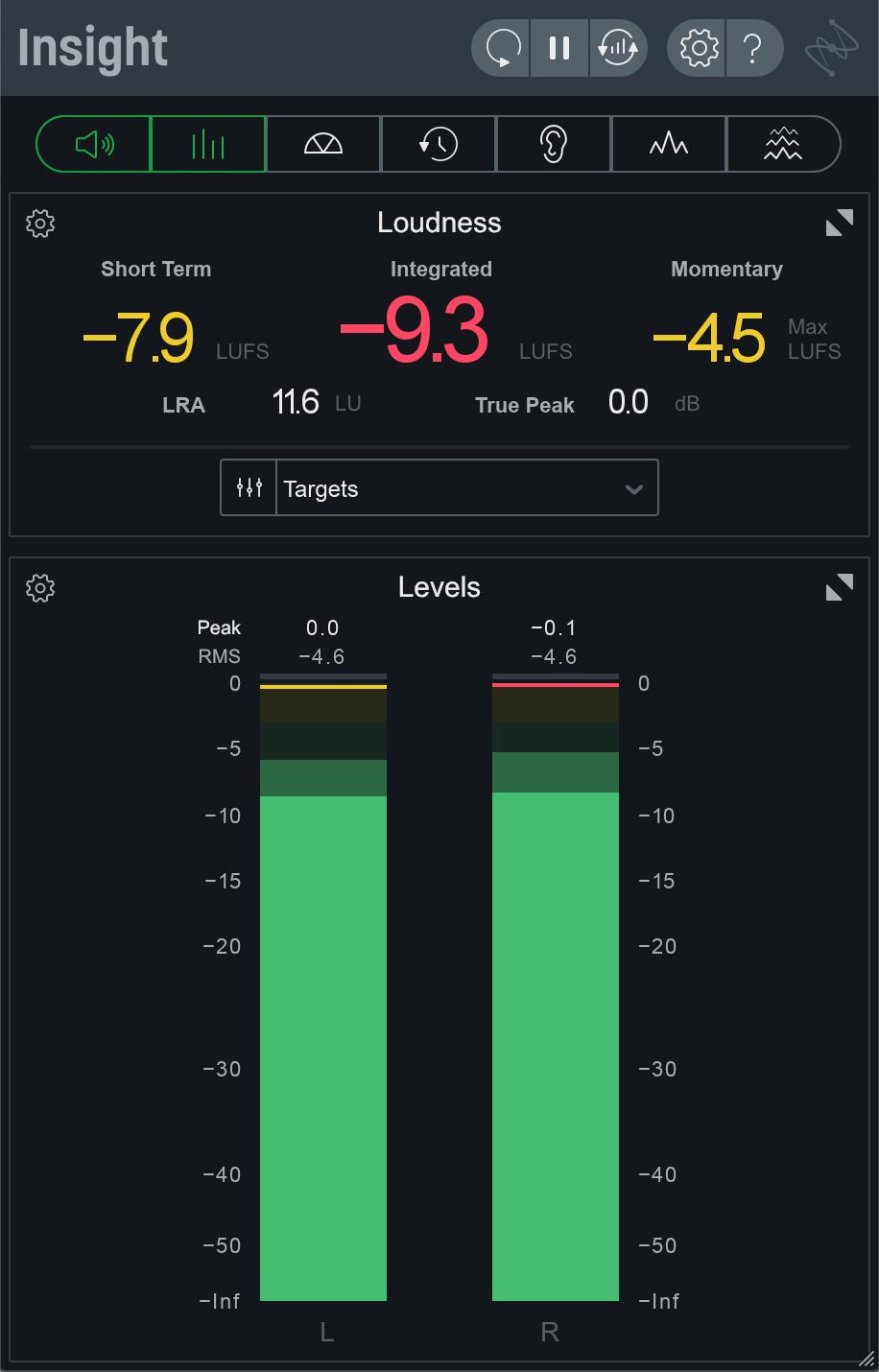
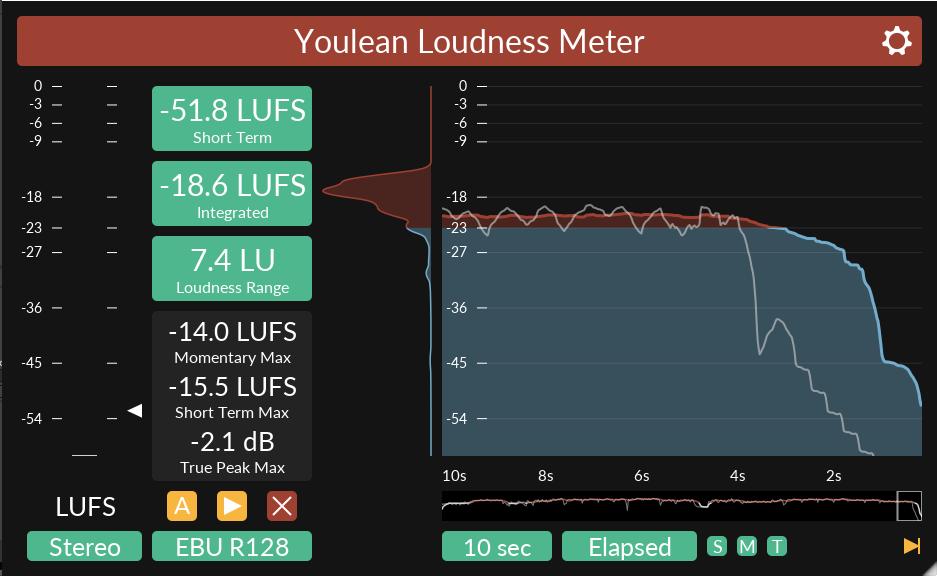
LUFS (Loudness Units Full Scale) are the industry standard for measuring perceived loudness in digital audio. Unlike peak meters, which measure the highest signal level, they reflect how loud music actually sounds to the listener.
Streaming Loudness Normalization
Streaming platforms such as Spotify, Apple Music, YouTube, Amazon Music, and TIDAL use loudness normalization to provide listeners with a consistent playback experience. Rather than rewarding the loudest master, these platforms adjust playback volume based on LUFS measurements. Understanding this process helps artists prepare music that translates consistently across every streaming service.
Dynamic Range and Loudness
Maintaining dynamic range is just as important as achieving the right loudness. Over-compressing a mix simply to increase level can reduce punch, clarity, and musical impact. Professional mastering focuses on creating a balanced master that sounds powerful while preserving the emotion and dynamics of the performance.
Why Loudness Matters
Streaming services normalize playback levels to create a consistent listening experience. If a song is mastered significantly louder than a platform’s target, it will simply be turned down. Understanding LUFS helps ensure your music translates consistently across today’s streaming platforms.
LUFS vs. Peak Level
Peak meters indicate the highest audio level before clipping occurs, while LUFS measure overall perceived loudness. Both are important during the mastering process, but loudness measurements provide a better indication of how listeners will experience your music.
Professional Mastering
Professional mastering engineers use loudness metering to create masters that balance dynamics, clarity, and impact. Rather than chasing the loudest possible master, the goal is to deliver a mix that sounds powerful, translates well across all playback systems, and meets modern streaming standards.
For more information about loudness normalization, see the Audio Engineering Society (AES) or Spotify for Artists. Learn more about my professional mixing and mastering services.