• Skip to primary navigation
  • Skip to main content

A. Focx Productions

Making Your Music Come Alive

  • Home
  • About
  • Mastering
  • Mixing
  • Digital Editing
  • Producing
  • Media Samples
  • Blog
  • News
  • Body of Work
  • Clients
  • Contact

Anthony Focx

Mixing vs Mastering | What’s the Difference?

Anthony Focx · Jul 6, 2026 ·

Mixing vs. Mastering is one of the most common questions artists ask when preparing music for release. Although both are essential parts of music production, they serve very different purposes in creating a professional-sounding recording.

What Is Mixing?

Mixing is the process of balancing all the individual tracks in a song. A mixing engineer adjusts volume, EQ, compression, panning, reverb, and other effects to create a clear, cohesive, and dynamic mix where every instrument works together.

What Is Mastering?

Mastering is the final step before distribution. A mastering engineer optimizes the finished stereo mix by making subtle tonal adjustments, controlling dynamics, and preparing the song for streaming platforms, digital downloads, CD, or vinyl. The goal is to ensure the music translates consistently across all playback systems.

Mixing vs. Mastering

While mixing focuses on the individual elements of a song, mastering focuses on the complete stereo mix. A great mix provides the foundation for a great master, allowing the final release to sound polished, balanced, and competitive.

Why Both Processes Matter

A great mix provides the foundation for a great master. If a mix contains balance or tonal issues, mastering can only improve it to a certain extent. Professional mixing creates clarity and separation between instruments, while mastering ensures the final song sounds consistent across streaming services, headphones, speakers, car audio systems, and other playback devices.

Final Thoughts

Understanding the difference between mixing vs. mastering helps artists make better production decisions. Together, these two stages transform a recording into a polished, commercial-quality release that translates well on every listening system. The Audio Engineering Society (AES) provides additional information about professional audio engineering standards.

Learn more about my professional Mixing Services and Mastering Services for artists, producers, and bands.
How Loud Should Spotify Masters Be? | Spotify Mastering

Anthony Focx · Jul 6, 2026 ·

How Loud Should Spotify Masters Be?

It’s one of the most common questions artists ask before releasing music. While Spotify uses loudness normalization to create a consistent listening experience, there isn’t a single mastering level that’s right for every song.

Spotify uses loudness normalization to create a consistent listening experience. If your master is significantly louder than Spotify’s reference level, it will simply be turned down during playback. This doesn’t necessarily reduce sound quality—it only adjusts the playback volume.

How Loud Should Spotify Masters Be? Is -14 LUFS the Best Target?

Not always. Many professionally mastered rock, metal, pop, and EDM releases are louder than -14 LUFS. Rather than mastering to a specific number, professional mastering engineers focus on creating the best balance of loudness, dynamics, punch, and clarity for each song.

Loudness vs. Dynamics

A louder master isn’t always a better master. Excessive limiting and compression can reduce transient impact, musical dynamics, and overall clarity. The goal is to produce a master that sounds powerful while preserving the energy and emotion of the performance.

Final Thoughts

Spotify’s loudness normalization has changed how music is delivered, but it hasn’t changed the importance of great mastering. Instead of chasing a specific LUFS target, focus on creating a balanced master that translates well across streaming platforms and playback systems. Spotify explains how loudness normalization affects playback for listeners.

Professional Spotify Mastering

Professional mastering engineers don’t simply master every song to -14 LUFS. Instead, they evaluate the genre, arrangement, dynamics, and intended listening experience. A well-mastered track will sound balanced and impactful whether it’s streamed on Spotify, Apple Music, YouTube, or played from a downloaded file. The goal is to create a master that translates consistently across every playback system while preserving the emotion and energy of the performance

Looking for professional Spotify-ready masters? Learn more about my Mixing and Mastering Services.

LUFS Explained: Understanding Loudness in Music Mastering

Anthony Focx · Jul 6, 2026 ·

LUFS Explained!

LUFS (Loudness Units Full Scale) are the industry standard for measuring perceived loudness in digital audio. Unlike peak meters, which measure the highest signal level, they reflect how loud music actually sounds to the listener.

Streaming Loudness Normalization

Streaming platforms such as Spotify, Apple Music, YouTube, Amazon Music, and TIDAL use loudness normalization to provide listeners with a consistent playback experience. Rather than rewarding the loudest master, these platforms adjust playback volume based on LUFS measurements. Understanding this process helps artists prepare music that translates consistently across every streaming service.

Dynamic Range and Loudness

Maintaining dynamic range is just as important as achieving the right loudness. Over-compressing a mix simply to increase level can reduce punch, clarity, and musical impact. Professional mastering focuses on creating a balanced master that sounds powerful while preserving the emotion and dynamics of the performance.

Why Loudness Matters

Streaming services normalize playback levels to create a consistent listening experience. If a song is mastered significantly louder than a platform’s target, it will simply be turned down. Understanding LUFS helps ensure your music translates consistently across today’s streaming platforms.

LUFS vs. Peak Level

Peak meters indicate the highest audio level before clipping occurs, while LUFS measure overall perceived loudness. Both are important during the mastering process, but loudness measurements provide a better indication of how listeners will experience your music.

Professional Mastering

Professional mastering engineers use loudness metering to create masters that balance dynamics, clarity, and impact. Rather than chasing the loudest possible master, the goal is to deliver a mix that sounds powerful, translates well across all playback systems, and meets modern streaming standards.

For more information about loudness normalization, see the Audio Engineering Society (AES) or Spotify for Artists. Learn more about my professional mixing and mastering services.

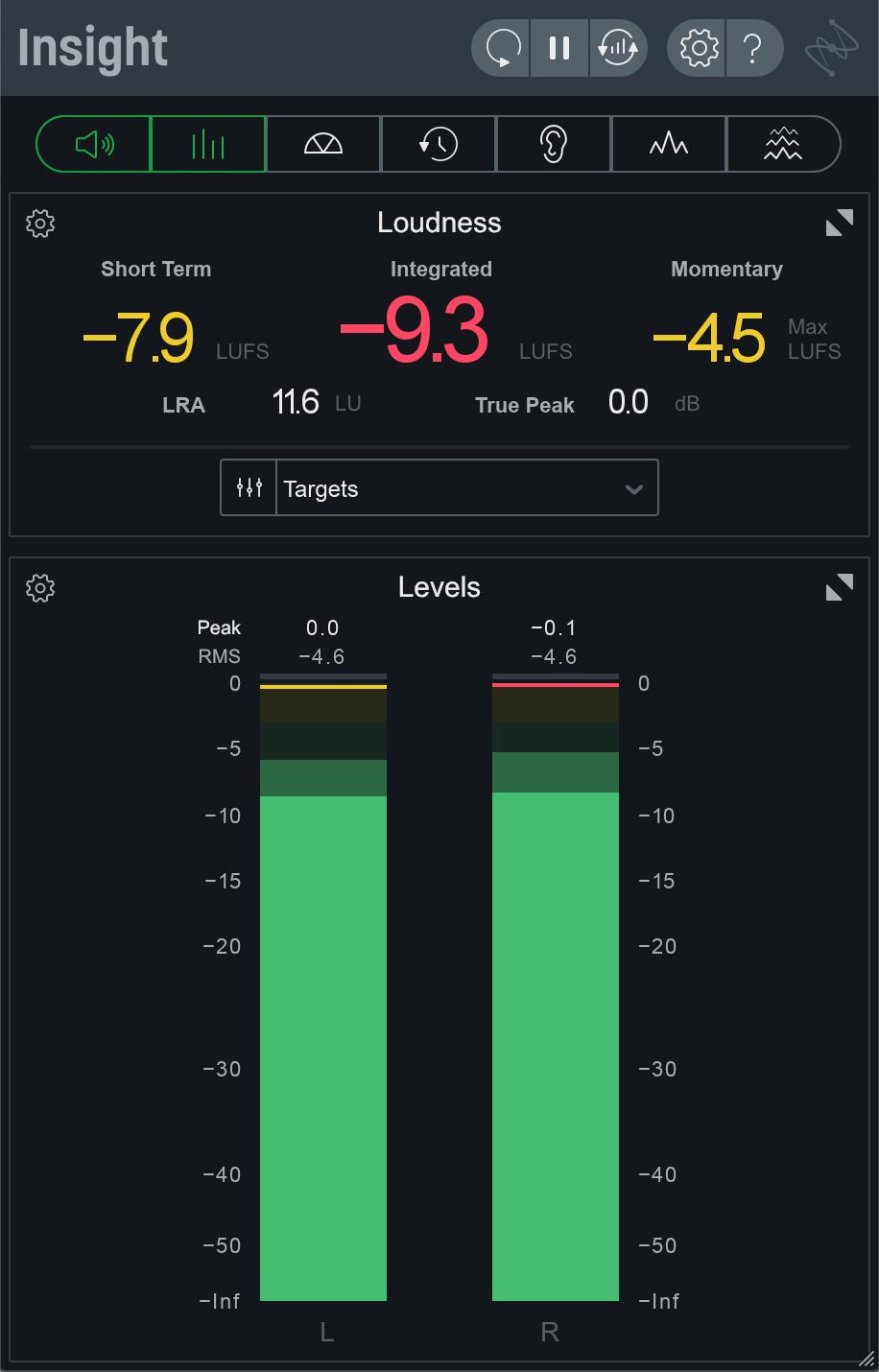
LUFS loudness meter displaying integrated loudness during professional music mastering
A LUFS loudness meter helps mastering engineers measure perceived loudness and optimize audio for streaming platforms like Spotify, Apple Music, and YouTube.
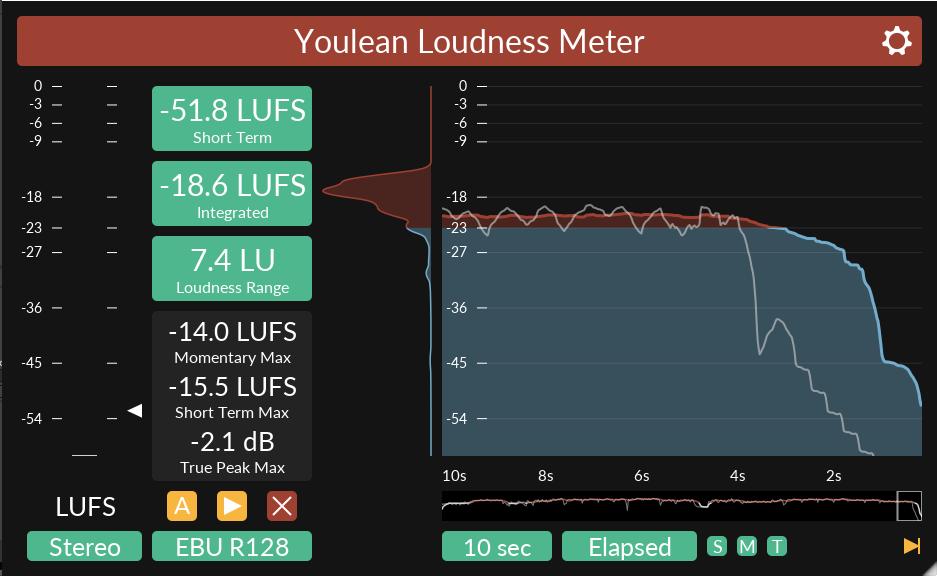
LUFS loudness meter and frequency analyzer used during professional music mastering
A LUFS loudness meter and frequency analyzer help mastering engineers optimize loudness, tonal balance, and dynamics for today’s streaming platforms.
Before and after waveform comparison showing the effects of professional music mastering
A waveform comparison illustrating how professional mastering improves loudness, consistency, and overall audio presentation while preserving musical dynamics.
Before and after waveform comparison showing increased loudness after professional music mastering
This waveform comparison illustrates how professional mastering improves perceived loudness, consistency, and overall impact while maintaining musical clarity.
  • « Go to Previous Page
  • Page 1
  • Page 2

Copyright © 2026 · Monochrome Pro on Genesis Framework · WordPress · Log in